3 hr
Monserrate Palace & Park Entry Ticket
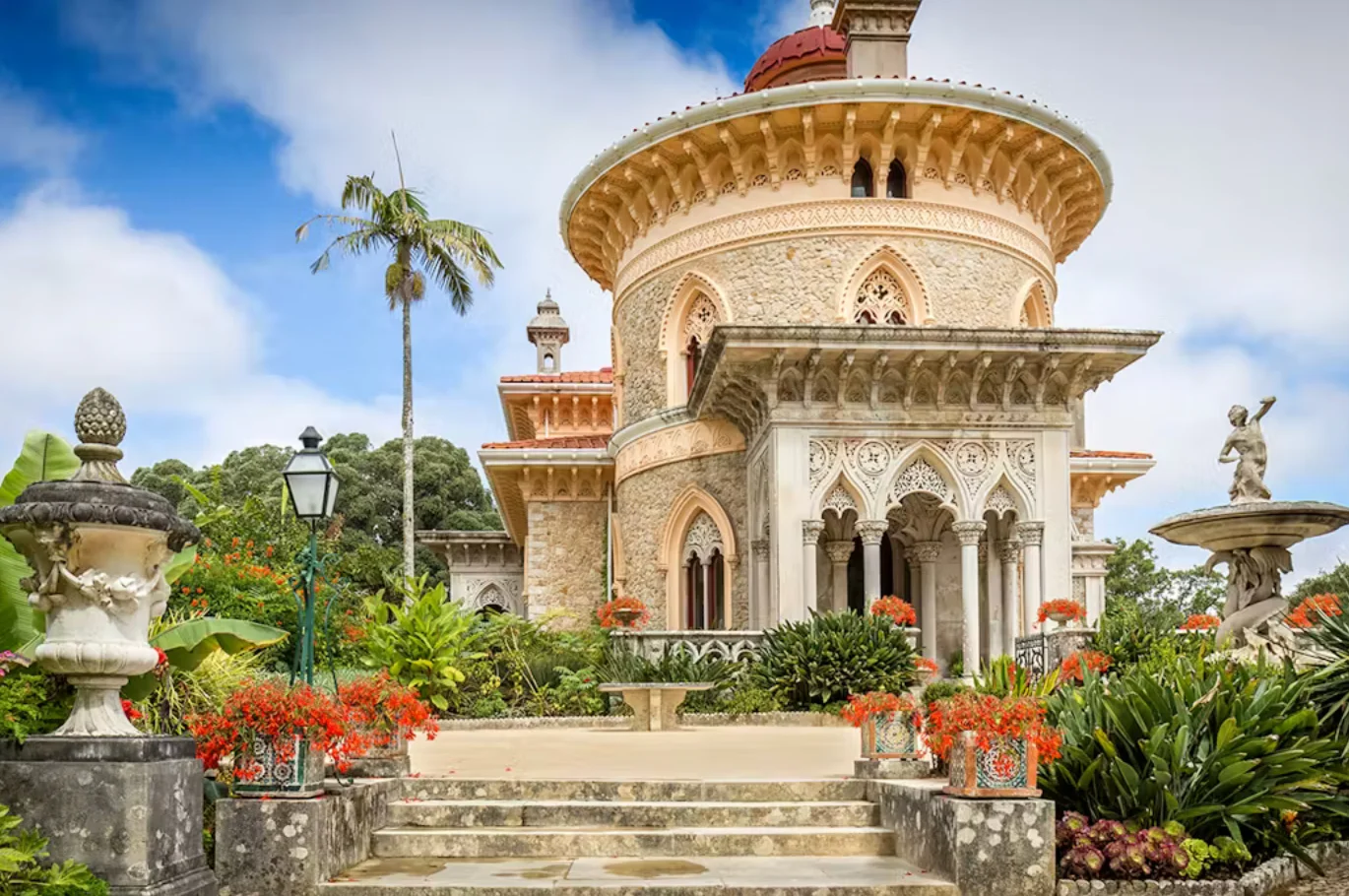
Fast-track access to a 19th-century architectural gem blending Moorish, Gothic and Indian design amid 30 hectares of botanical gardens
Reserve
Neo-Gothic arches meet Mughal courtyards, morning light slants through exotica-filled grounds.
Hand-picked by our editors — only the best 4 experiences from 17 reviewed.
Verified partners for Monserrate Palace tours, free cancellation where available, and instant confirmation on every booking.
3 hr
Fast-track access to a 19th-century architectural gem blending Moorish, Gothic and Indian design amid 30 hectares of botanical gardens
Reserve
8 hr 30 min
Explore UNESCO-listed Sintra's palaces, mystical gardens, and Europe's westernmost cape on an intimate 8-hour adventure.
Reserve
6 hr
Discover three of Sintra's most enchanting landmarks on this immersive UNESCO-heritage journey from Lisbon
ReservePrices from verified partners. Availability updates in real time at checkout. Free cancellation policies apply where shown.
The landmarks, rooms, and views travelers on Monserrate Palace tours remember — all visible on a single visit.
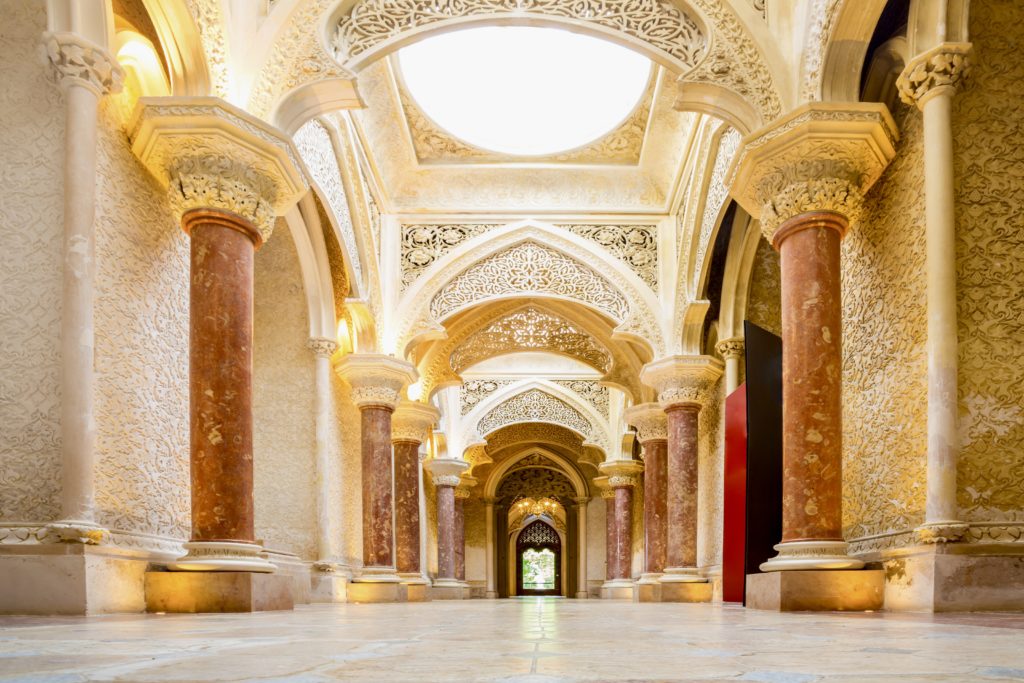
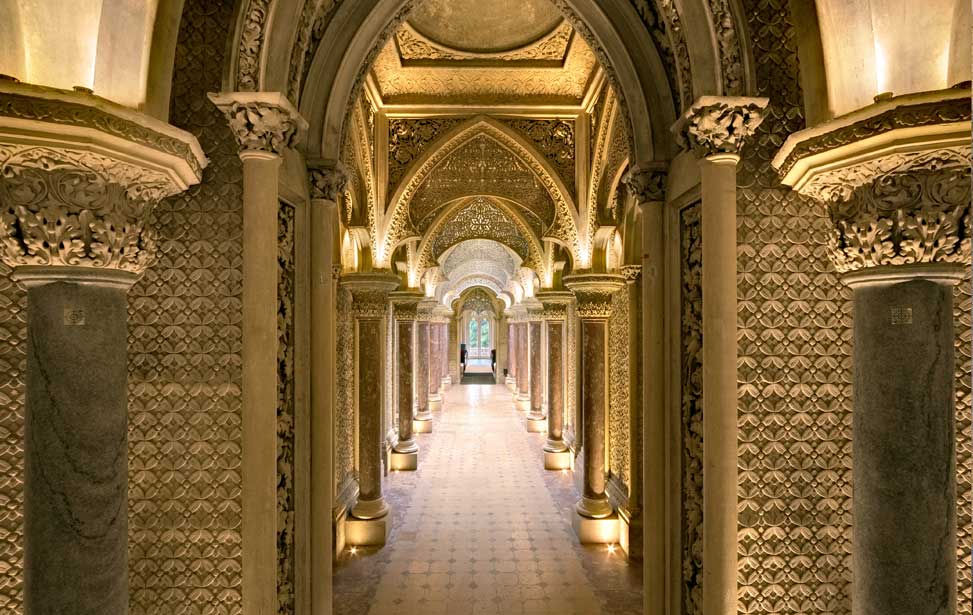
Moorish gallery interior
Ornate music room interior
Classic wooden library room
Cacti and succulent garden
Vathek arch ruin
Every Monserrate Palace tour side-by-side — duration, what's included, how you redeem.
| Experience | Duration | Rating | Transfers | Skip-the-line | Guide | Small group | Price | |
|---|---|---|---|---|---|---|---|---|
|
Standard Entry Most popular
Monserrate Palace & Park Entry Ticket
|
3 hr | ★ 4.4 | — | ✓ | — | — | €12 | Book → |
|
Guided Experience
Sintra, Pena Palace & Cabo da Roca Small-Group Tour from Lisbon
|
8 hr 30 min | ★ 4.7 | ✓ | ✓ | ✓ | ✓ | €65 | Book → |
|
Guided Experience
Sintra Full-Day Tour: Pena Palace, Quinta da Regaleira & Monserrate
|
6 hr | ★ 4.8 | ✓ | ✓ | ✓ | ✓ | €48 | Book → |
All prices from verified partners. Availability and exact terms confirmed at checkout.
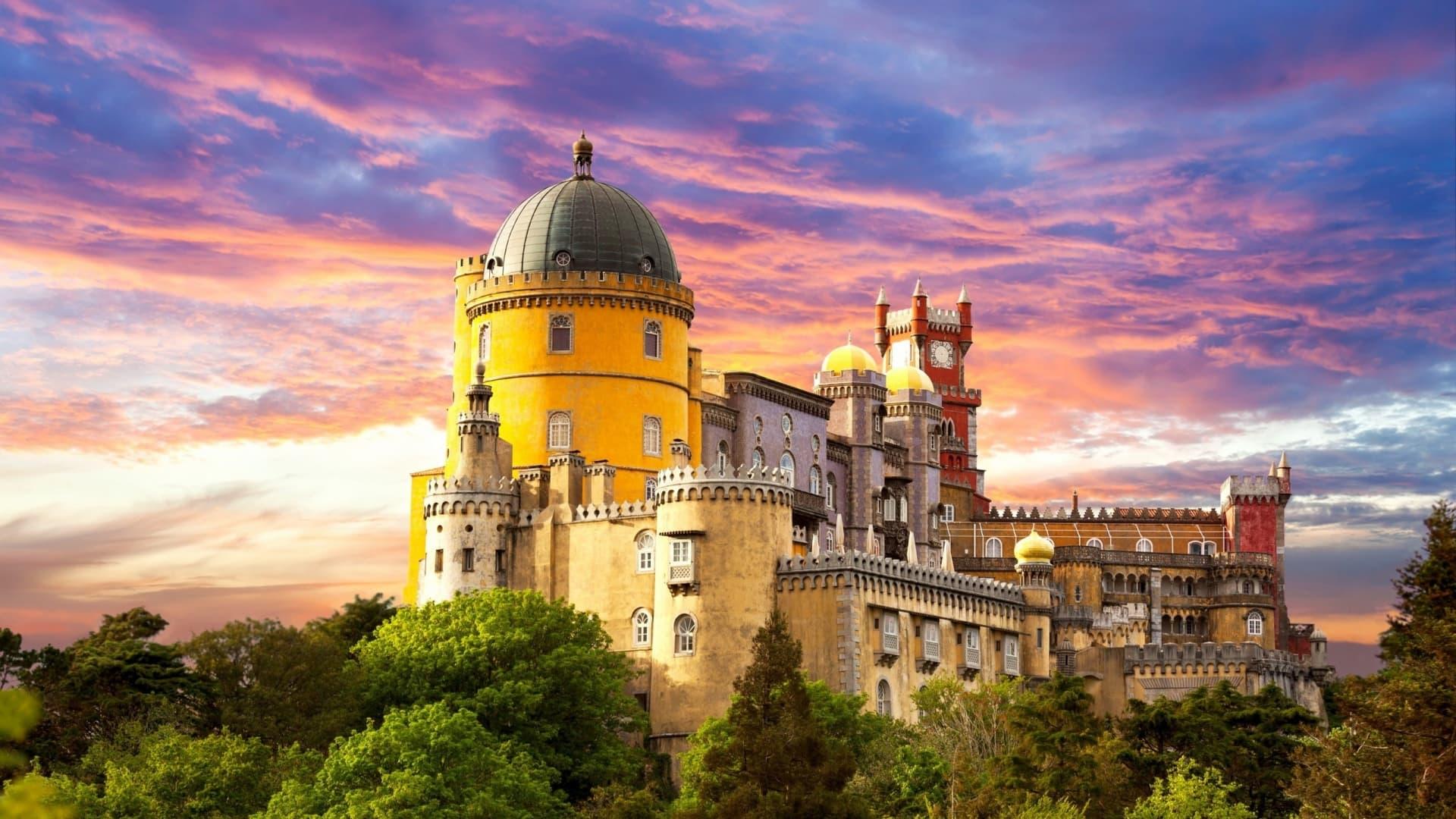
Monserrate Palace offers a tranquil escape, whereas Pena Palace is the more bustling, iconic landmark of the region. Choosing between these Sintra landmarks depends on whether you prefer intimate botanical exploration or vibrant, high-altitude romanticism.
| Feature | Top pick Monserrate Palace | Pena Palace |
|---|---|---|
Crowd Density |
Low to moderate | Very high |
Architectural Style |
Neo-Gothic and Indian influences | Romanticist with colorful facades |
Primary Experience |
Botanical gardens and palace interiors | Expansive terraces and historic chambers |
Average Visit Duration |
1.5–2 hours | 2–3 hours |
Ticket Availability |
Readily available on-site | Strictly timed entry essential |
| See tickets → |
Verdict: For travelers securing monserrate palace tickets tours, the site provides a serene alternative to the intense queues often found at the more crowded Pena Palace.
Choose your ticket, select your date, and reserve in under two minutes. Secure checkout handled by our verified partner.
Instant confirmation by email, with a mobile voucher you can save offline. No printing, no queuing at a collection desk.
Arrive at the entrance, show your voucher on your phone, and walk in. Most tickets include priority or skip-the-line access.
Practical details for Monserrate Palace tickets straight from our verified partners — hours, access, rules, and how to get there.
R. Barbosa du Bocage 136
Proceed to the ticket office near the gate.
Open in Google MapsTake bus 435 from Sintra Train Station, which stops directly at the entrance.
Follow signs for Sintra-Colares (EN375); parking is limited near the entrance.
There is no formal dress code, though modest attire is requested as a mark of respect for the historic monument. Comfortable footwear is strongly recommended due to uneven garden paths and significant walking required to explore the grounds.
Large backpacks and bulky luggage are prohibited inside the palace interiors to prevent accidental damage to exhibits. Travel light as there are no cloakroom or locker facilities available for storage.
Photography for personal, non-commercial use is permitted throughout the estate. However, the use of flash, professional tripods, or selfie sticks is strictly forbidden inside the palace rooms to preserve the artifacts.
The park and palace offer limited accessibility for visitors with mobility issues due to the steep, natural terrain. While some areas are wheelchair friendly, many garden paths are unpaved and irregular, requiring caution.
Mobile phones are permitted for personal use, including photography. Please ensure your device is silenced to maintain a respectful, quiet atmosphere for other guests.
Families are welcome, though strollers are difficult to maneuver through the palace's narrow halls and gardens. Baby carriers are highly recommended as a practical alternative for navigating the historic architecture and hilly landscapes.
Picnicking is generally encouraged in designated outdoor park areas, but eating and drinking are strictly prohibited inside the palace rooms. Carry a refillable water bottle to stay hydrated while exploring the extensive botanical gardens.
Pets are not allowed inside the palace buildings. Certified assistance dogs are the only exception to this policy.
As a UNESCO World Heritage site, the preservation of the palace is a priority for all visitors. Please avoid touching walls, furniture, or ornamental displays during your tour.
Best time to go, insider tips, nearby landmarks, and the cancellation fine print — flip through to skim what matters to you.
How crowds, weather, and events shift across the year.
Mild temperatures make the botanical gardens especially vibrant in April and May.
Early arrival is essential to avoid peak heat and high tourist volume in the afternoons.
September and October offer cooler, pleasant walking weather and soft, golden light.
Quieter crowd levels allow for a contemplative visit, though mornings may be misty.
Small details that turn a good visit into a great one.
Arrive at 09:30 to enter the grounds before the main tourist bus lines arrive.
The palace is smaller than neighboring sites, so plan your visit during the quietest morning hours.
The path from the gate to the palace is uphill and uneven; wear sturdy shoes.
There are few shops inside the park, so bring your own supplies from Sintra.
Verify potential local weather closures on the official Parques de Sintra website before departure.
Non-bookable sights within a short walk — free to visit, easy to pair.
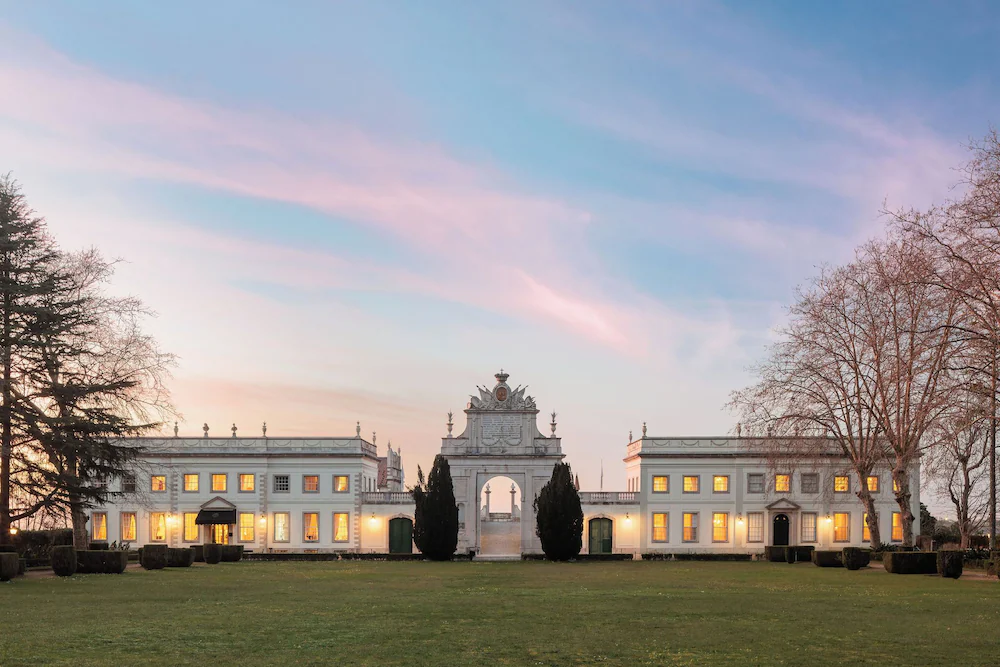
An elegant neoclassical estate with stunning views toward the coast.
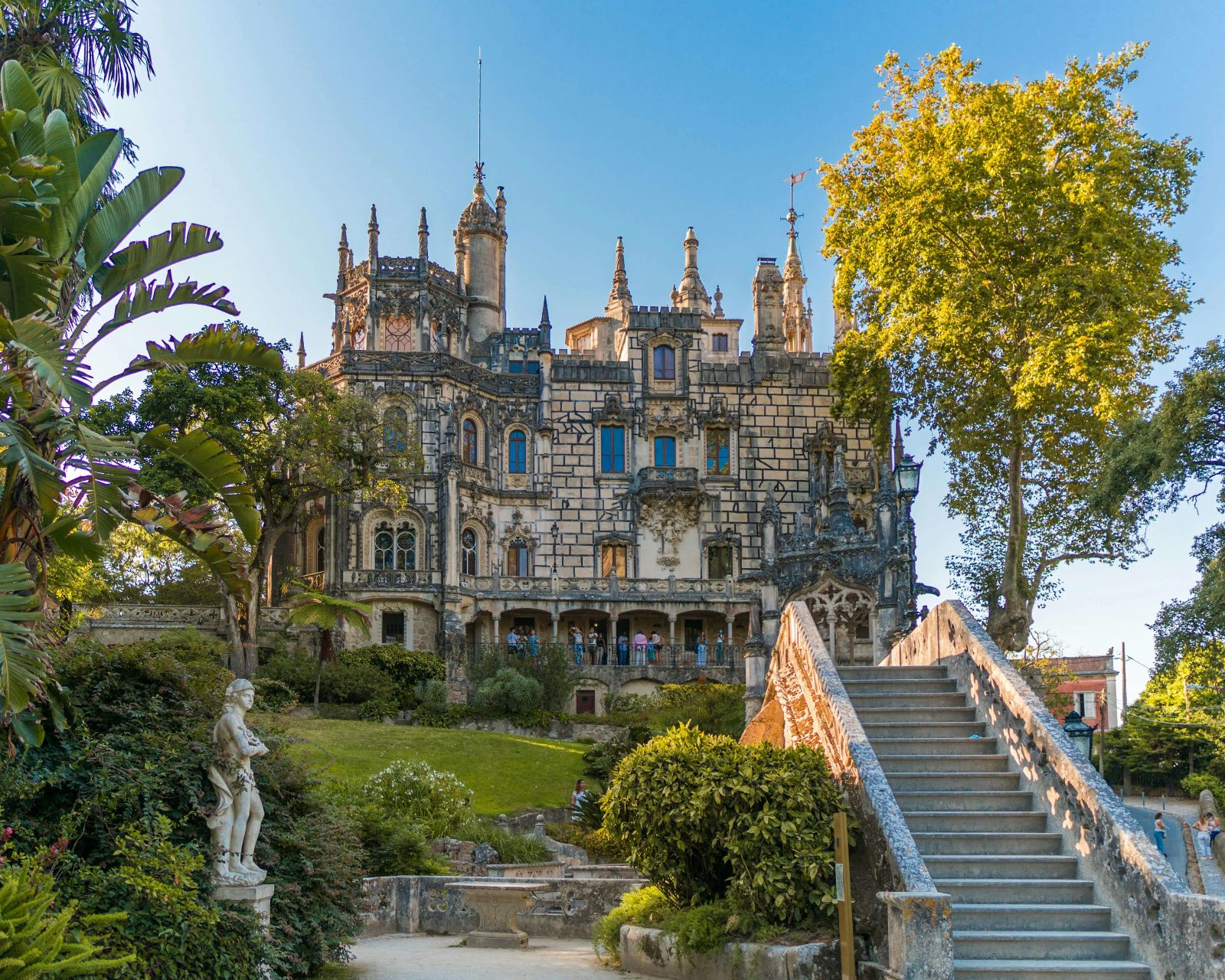
Famous for its mystical initiation wells and ornate gothic architecture.
A historic royal residence known for its iconic twin chimneys.
Flexible, no hidden fees.
Entry fees are non-refundable for standard Monserrate Palace tickets. The 12 EUR conservation fee covers full access to both the park and the palace.
Hand-picked options within walking distance — pick a district for vibe, or a specific hotel for convenience.
Historic hotel offering refined luxury near the palace grounds.
Wide range of boutique guesthouses and mid-range options.
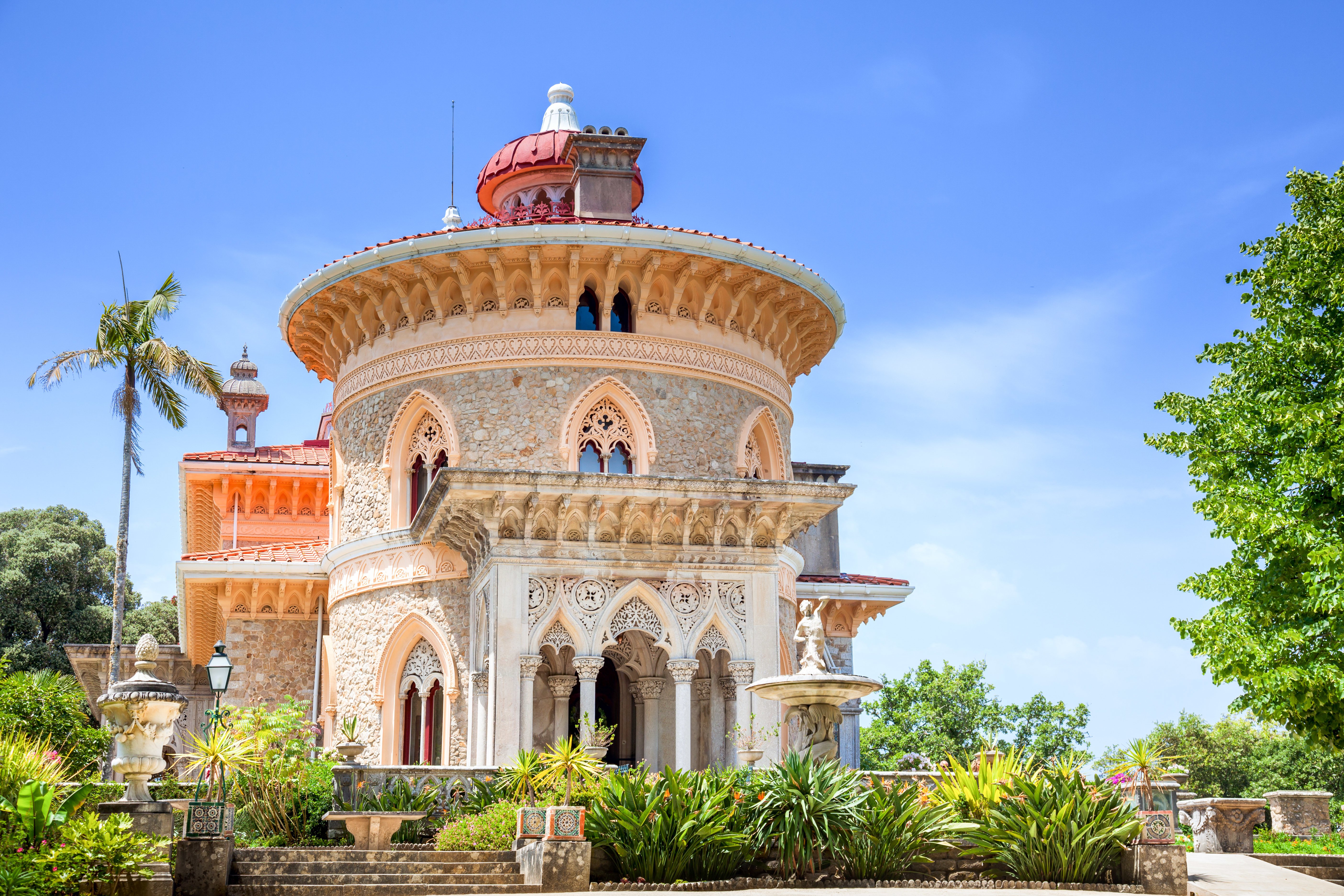
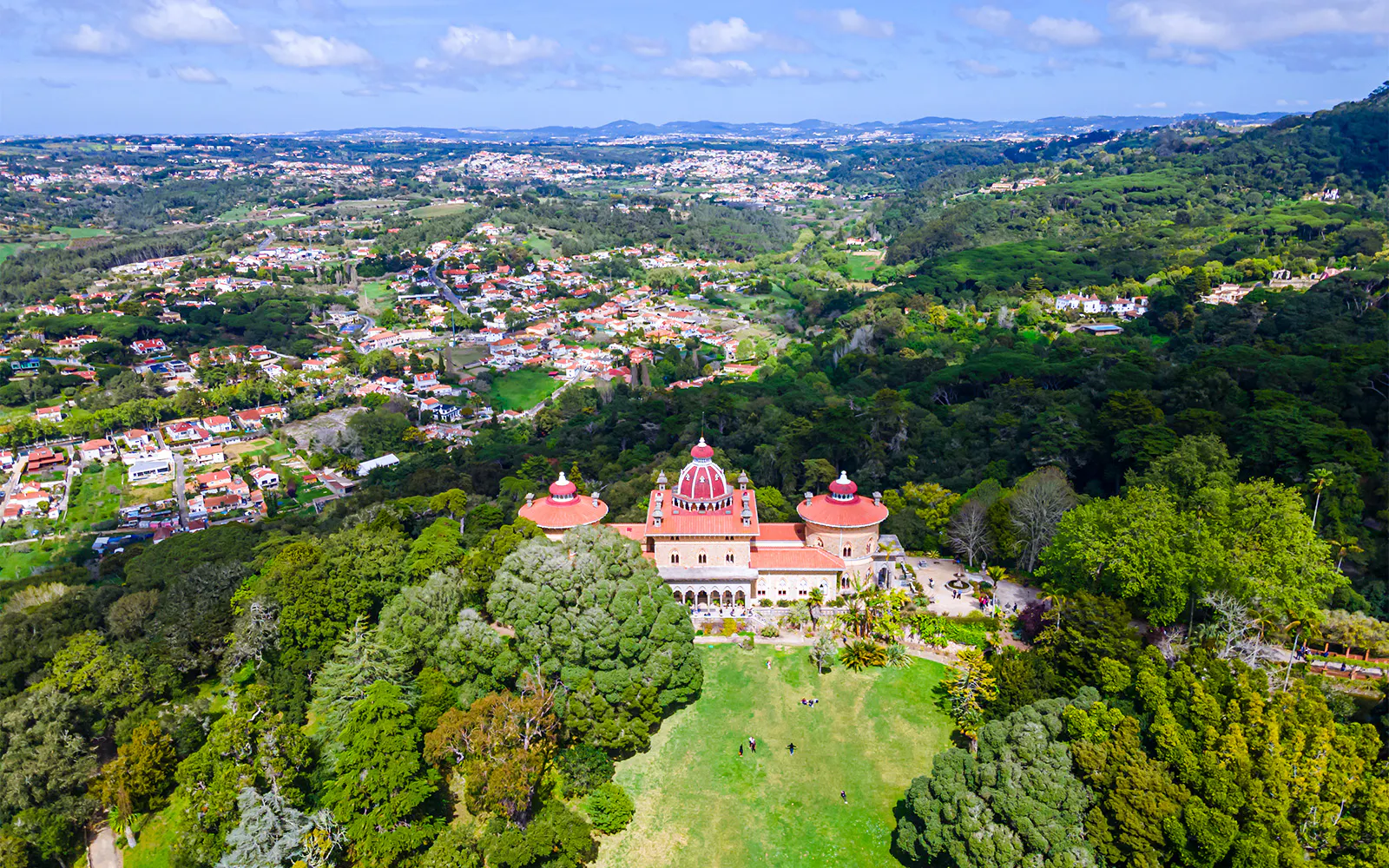
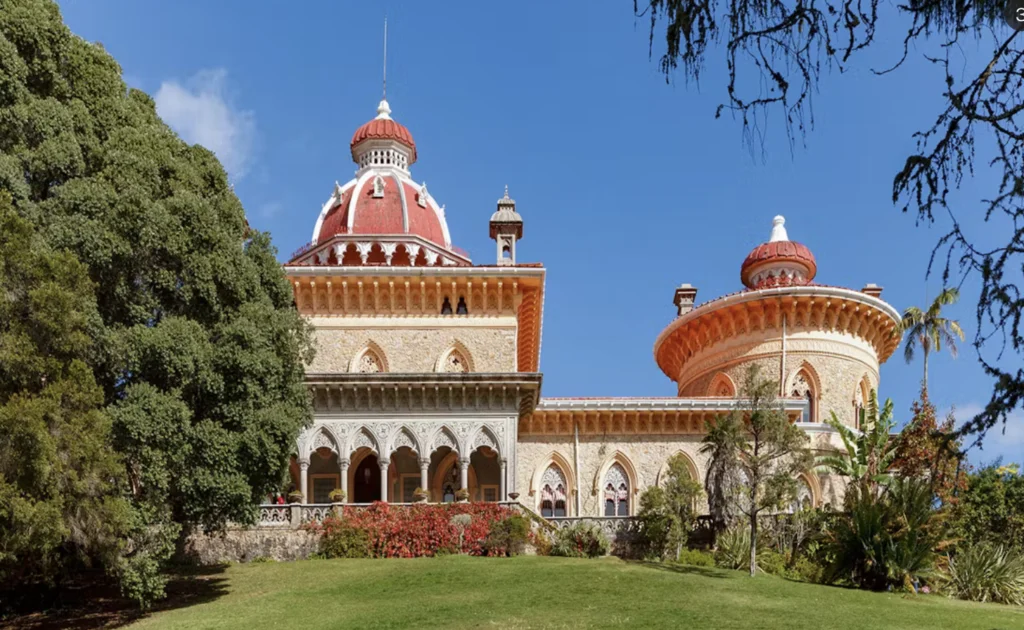
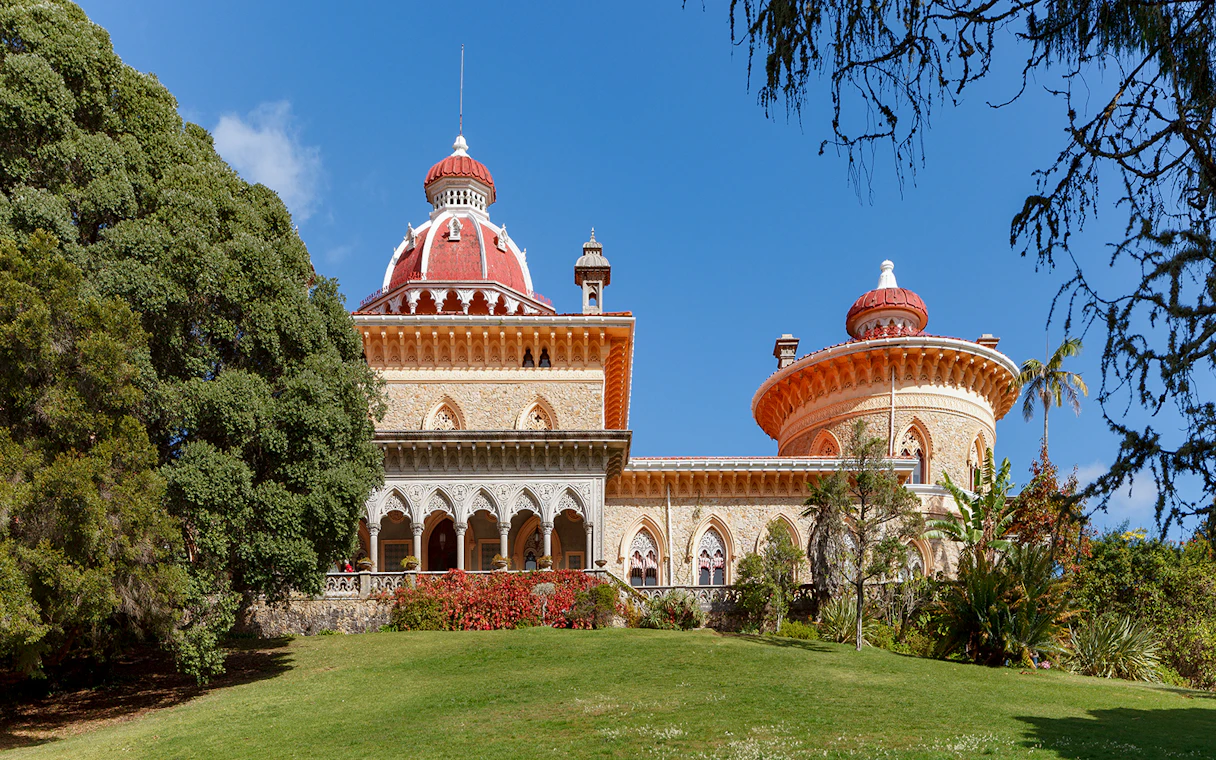
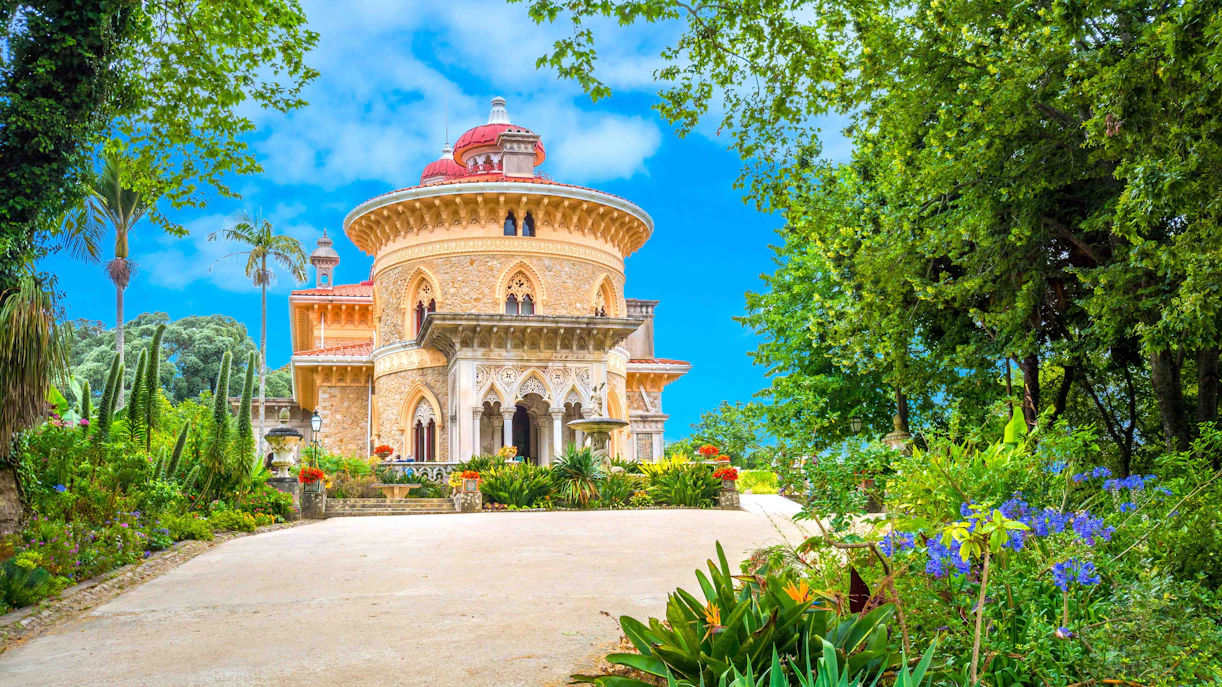
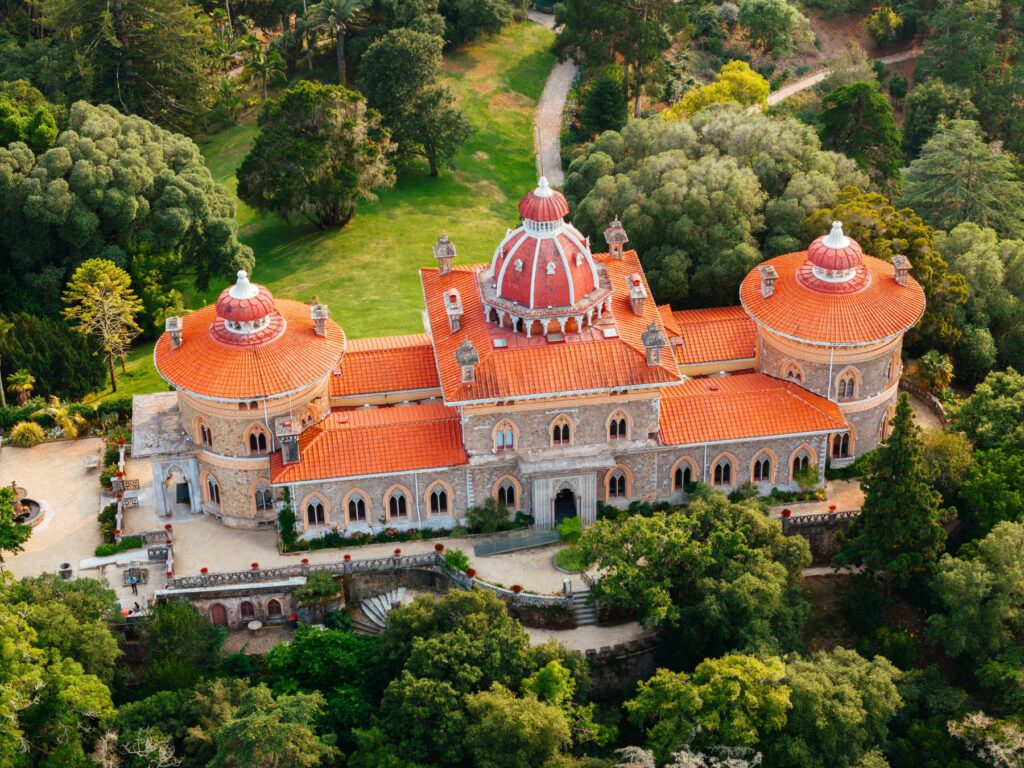
Francis Cook acquired a ruined Neo-Gothic villa in 1856 and commissioned James Knowles Jr. to transform it into a three-winged fantasy that fused Moorish, Italian, and Indian motifs under a single ribbed dome.
The result—Monserrate Palace—became a UNESCO World Heritage cornerstone by 1995, cited for its synthesis of Romanticism and botanical ambition. Cook planted Mexico's Araucaria, Australia's tree ferns, and Lebanon's cedars across 33 hectares, creating microclimates that still thrive along cascading lawns and fern valleys. The palace itself mirrors that eclecticism: stucco arabesques frame Italian marble, while the central dome borrows lattice patterns from the Alhambra. By 1949 the estate had passed into state hands, and decades of neglect left the structure skeletal. Parques de Sintra began restoration in 2000, returning plasterwork, hydraulic floor mosaics, and the Music Room's carved mahogany ceiling to near-original condition.
Monserrate palace tickets price remains fixed at €12 per person, covering both the villa interiors and the full botanical park—a model the conservation trust has held since reopening. Visitor numbers stay deliberately low; the estate enforces staggered entry to preserve the silence Cook engineered into his garden rooms. That policy gives each arrival a private traverse of the Mexican Garden's cycad grove or the Rose Garden's symmetrical beds, where 19th-century cultivars still bloom in October. The palace's three salons—Music, Library, and Gallery—rotate thematic exhibitions on Romantic-era travel and botanical illustration, drawn from Cook's archived correspondence. Knowles embedded symbolism into every column: the Gallery's capitals reference Venetian trading routes, while the Entrance Hall's stucco vines encode species Cook imported from Kew Gardens.
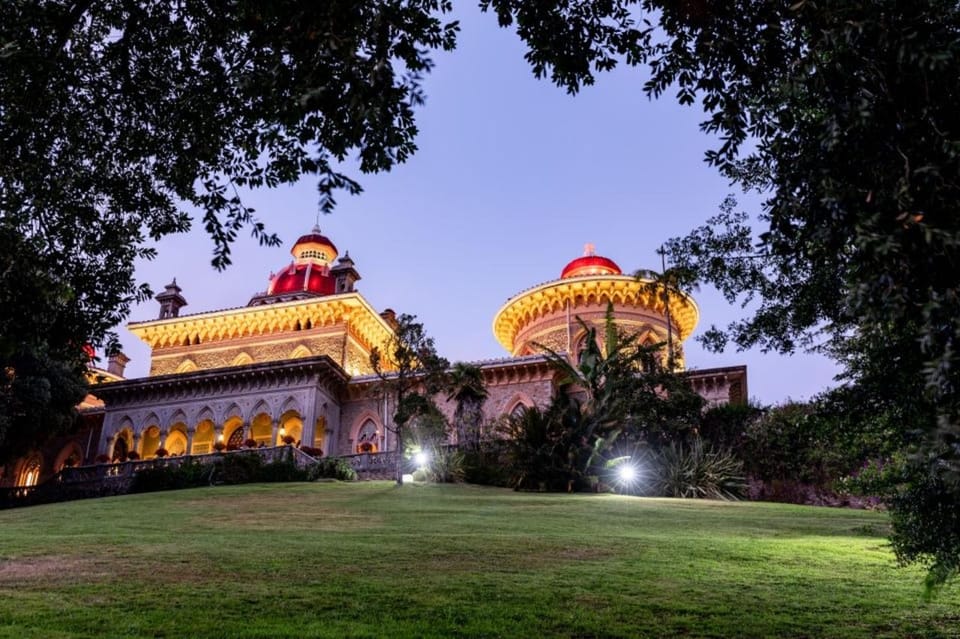
Monserrate palace tickets online secure the 09:30 first-entry slot, when groundskeepers finish watering and the chapel lawn is empty. The villa's central dome filters morning sun into amber pools on the marble floor, a effect that fades by noon. Cook designed the estate as a walking circuit—villa to valley, valley to ruin folly, folly back to the upper terrace—and that loop takes 90 minutes at a measured pace. Parques de sintra conservation fees fund ongoing work on the waterfall grotto and the bamboo tunnel, both reopened in stages since 2015. The trust publishes quarterly condition reports on endemic flora, tracking which of Cook's original plantings survive and which required grafting from seed bank stock.

"Cook planted Mexico's Araucaria, Australia's tree ferns, and Lebanon's cedars across 33 hectares, creating microclimates that still thrive along cascading lawns and fern valleys."
A step-by-step walkthrough of Monserrate Palace tickets — what you'll see, how long each stage takes, and the details that matter.
You arrive at the gatehouse on R. Barbosa du Bocage and follow the cobbled lane uphill, past umbrella pines and a stand of Chilean monkey-puzzle trees. The villa emerges in stages—first the dome, then the arcaded loggia, finally the full three-winged silhouette framed by lawn.
You step into the Entrance Hall, where plaster vines climb fluted columns and the oculus floods the floor with filtered light. The Music Room sits to your left: mahogany paneling, a musicians' gallery, and inlaid parquet that echoes Moorish geometry. You trace the circuit through the Library—empty shelves now hold rotating prints of Cook's botanical sketches—and into the Gallery, where arabesques frame tall windows overlooking the fern valley.
Outside, you follow the signed trail down to the waterfall grotto, where stone steps descend into a fern-draped chamber fed by a narrow cascade. The path loops through the Mexican Garden's cycad grove, then climbs to the chapel ruin—a deliberate folly Cook commissioned to anchor the eastern viewpoint. You pause at the Rose Garden's central sundial, planted with heritage varieties that bloom until late autumn. The return climb brings you past the bamboo tunnel, 40 metres of arching canes that rustle in the coastal breeze, before rejoining the upper terrace. The full circuit takes 90 minutes; the villa interiors add another 30.
Yes, the 12 EUR conservation fee provides full access to both the palace and the extensive surrounding park. You do not need separate tickets for these areas.
The palace and park are open daily from 09:30 to 18:00.
We recommend visiting between 09:30 and 11:00 to avoid mid-day heat and peak crowds. Tickets can be purchased online or at the entrance.
Reduced rates are available for specific age groups; check the official Parques de Sintra site for eligibility criteria regarding seniors and youth. Children under 6 usually enter free of charge.
Dogs are welcome in the park, but they are not permitted inside the palace building itself. Please ensure you keep them on a leash.
No, there are no locker or storage facilities available at the entrance or within the palace. Please travel light.
Yes, non-commercial photography is allowed, but you may not use flash, tripods, or selfie sticks inside the building to protect the interior.
The easiest way is by taking the 435 bus from the Sintra train station, which drops you off near the entrance.
The park has natural, uneven terrain that can be challenging, though some palace levels offer easier access than others.